


 June 26, 2024
What is an Enterprise Asset Management System?
5 Eam Solutions For Transportation And Utility Infrastructure Owners


Enterprise asset management (EAM) is an enterprisewide approach to integrating an organization’s systems, services, and software to maintain and optimize operational and physical assets. With an EAM solution, agencies can identify trends through data analysis, obtain a holistic view of assets as they progress through their lifecycles, and adjust asset inventory management strategy — all in real-time — minimizing operating costs, maximizing performance, and mitigating risk.
For transportation and utility infrastructure owners, EAM solutions:
- Track assets: Improve management with real-time location and maintenance information.
- Monitor assets: Leverage cloud technology to provide accessibility from the field.
- Manage risks: Identify problems that can affect business operations.
- Maximize enterprise data: Eliminate data silos, reduce inefficient processes, and increase overall productivity.
- Forecast budgets: Understand asset performance and usage history for accurate procurement and cash flow forecasting.
- Promote efficiency: Recognize how assets work together and affect the bottom line.
How EAM Transforms Business
EAM is not just a tool — it’s a strategic approach that empowers organizations to maximize assets, reduce operational costs, and increase return on investment (ROI). In today’s fast-paced environment, fiduciary and operational responsibilities require a focus on efficiency, cost, and resilience. From asset condition and asset performance management to capital expenditure (capex) risks, EAM provides a comprehensive understanding from which to make informed decisions and optimize asset utilization.
There is a direct correlation between effective EAM solutions and performance and profitability. EAM systems:
- Streamline processes.
- Reduce downtime through predictive maintenance.
- Extend asset lifespans.
5 EAM Core Components for Infrastructure Owners
EAM software solutions leverage the power of asset information to make strategic, data-driven decisions.

Asset Lifecycle Management

Asset lifecycle management (ALM) is the cornerstone of EAM, offering a complete asset management approach. Infrastructure owners can enhance asset performance and extend lifespans from capital expenditure planning to decommissioning. Additional benefits include improving reliability and efficiency in operations and reducing the total cost of ownership. ALM also supports compliance with industry standards and regulations, enhancing infrastructure sustainability and resilience.

Financial Management

EAM improves financial management by providing a real-time view of asset-related expenditures and total value. By integrating financial measures, agencies can more accurately budget, forecast, and plan. EAM allows owners to track and analyze costs and identify areas for cost reduction and process improvement. EAM software decreases the total cost of ownership and increases ROI, which is crucial for long-term financial strategy. Aligning asset performance with financial metrics enables organizations to strengthen financial performance.
Resource Optimization

Transportation and utility infrastructure owners can optimize resources by ensuring that the right personnel are assigned to the right tasks with the necessary tools at the ideal time through advanced scheduling and work order management. Through allocation tools, computerized maintenance management systems (CMMS) consider staff skill level, human and asset availability and location, and routine and preventive maintenance requirements. By minimizing waste and reducing unnecessary downtime, EAM increases productivity and operational efficiency.
Predictive Maintenance Reduction

Leveraging data analytics, artificial intelligence (AI), machine learning, and technology, EAM enables organizations to anticipate and preemptively address equipment failures. This approach shifts the maintenance activities from reactive to proactive, reducing unplanned downtime and extending asset functionality. Predictive maintenance allows maintenance scheduling at the most reasonable times, minimizing operational disruptions, optimizing maintenance resource utilization, enhancing reliability and efficiency, and significantly reducing asset maintenance costs.
System Integration

System integration connects and synchronizes the EAM with other business systems, allowing information to flow across different departments and functions, providing a complete view of operations, maintenance, and asset management, and delivering access to comprehensive, real-time data. This connection promotes organizational-level decisions, leading to more coordinated and efficient operations and investments. System integration eliminates data silos, enhances communication, and enables more agile and informed decision-making.
Designing Your EAM Solution
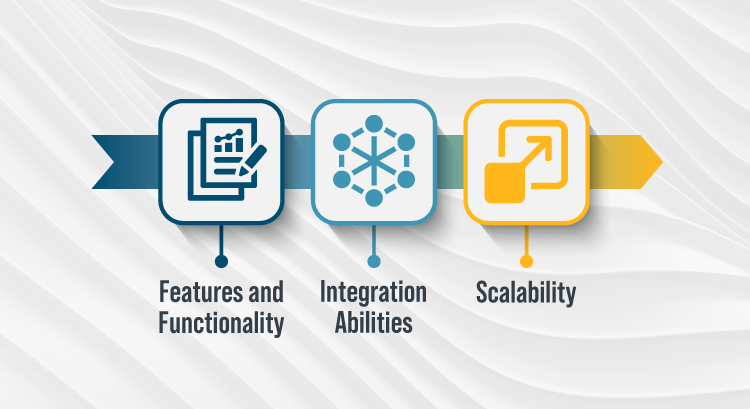
Critical infrastructure owners should consider key factors when evaluating EAM systems and considering asset management consultants.
Features and Functionality

One important consideration is the EAM’s range of features and functionality and how they align with specific business needs and challenges. Key functionalities include:
- ALM.
- Predictive maintenance.
- Resource and workforce optimization.
- Compliance management.
The solution should offer comprehensive tracking capabilities, maintenance scheduling, and performance data analysis. Additionally, consider the system’s flexibility in adapting to evolving business requirements, ensuring the platform can be customized to match the organization’s processes and workflows and provide reporting and analytics tools to enhance and optimize data-driven decision-making.
Integration Abilities

A solution should integrate with systems and processes to provide the highest ROI, not completely interrupt workflows. An ideal EAM system effectively works with accounting, business development, and other financial systems, which is crucial for increasing data consistency, reducing manual data entry, and enabling real-time data sharing. A well-implemented EAM system enhances operational efficiency by providing a holistic view of asset information, maintenance schedules, and financial data.
It’s important to evaluate how easily the EAM solution can connect with other software, the flexibility of integration points, and whether it supports standard data exchange formats and application programming interfaces. With the rate of change resulting from emerging technologies, such as AI, organizations need to be flexible to adapt to changes. Effective integration capabilities result in a cohesive, efficient, and data-driven asset management approach, which is crucial for optimizing asset performance and longevity.
Scalability

Finally, scalability is vital, especially given the dynamic nature of technological and AI advancement. A scalable EAM system is designed to adapt and grow parallel to your organization’s expanding and evolving asset base. It’s essential to choose a solution that can adapt to handle an increasing volume of data and more complex asset management tasks without compromising performance.
An EAM system should be flexible enough to accommodate new asset types, additional users, and expanded operational geographies, including the ability to integrate with new technologies and systems. Scalability ensures that the EAM solution remains effective and efficient, supporting current and future needs without costly and disruptive replacements or upgrades.
EAM Next Steps
EAM is a pivotal tool for transportation and utility infrastructure owners, offering comprehensive solutions tailored to enhance asset management, operational efficiency, and capex management. The integration of EAM in an organization’s framework empowers it with asset lifecycle management, financial oversight, resource optimization, predictive maintenance, and seamless system integration capabilities.
When selecting an EAM solution, it’s crucial to consider features and functionality, integration abilities, and scalability to align the system with specific business needs and the ability to adapt to future growth and technological advancements. Ultimately, a well-implemented EAM system optimizes asset performance and longevity and is a strategic asset, driving informed decision-making, operational excellence, and sustainable growth.
Meet our expert
Ister Morales, PE, PMP
Director, Asset Management and Resilience

Ister Morales, PE, PMP
Director, Asset Management and Resilience
Ister Morales, PE, PMP
Director, Asset Management and Resilience
Featured News & INSIGHTS
What’s Driving the Global Data Center Boom?

Quantitative Risk Assessments to Strengthen Resilience Across Infrastructure Systems

From Data to Decisions: Connecting BIM, GIS, and Infrastructure Intelligence

Quantifying the Unknown Part 2: Transforming Risk into Resilience

GFT Facilitates Emergency Response Tech & Demo Day at ITS America 2026

Holly Baskinger

John Bergman, PE


