

 Fairfax County, VA
Upper Occoquan Dam
Client: Fairfax County Water Authority
Our Role: Construction Management, Special Inspection Services

The Fairfax County Water Authority owns and operates the Upper Occoquan Dam and Reservoir under regulation by the Federal Energy Regulatory Commission (FERC). The dam, a 70-foot-high concrete gravity dam, impounds runoff from a 595-square-mile drainage area to create a reservoir with a surface area of nearly 2.9 square miles. With approximately 8.3 billion gallons of storage, the Occoquan Reservoir is one of two major water supply sources serving nearly 1.7 million northern Virginia residents.
Even though the primary purpose of the dam and reservoir is municipal water supply, FERC has regulated this facility because of a hydroelectric plant at the site. In 2005, as part of FERC’s dam inspection review process, recommendations were made to investigate a vertical structural crack visible on an exterior face of the wall forming the concrete powerhouse intake structure. The investigations concluded that repairs to this crack were necessary to reduce seepage and, more importantly, to eliminate the potential risk of uncontrolled release of the reservoir should catastrophic failure of the cracked wall occur. Located approximately one mile upstream of the town of Occoquan, a sudden failure of the wall could potentially cause severe damage.
Fairfax Water commissioned GFT to address the dam safety-related recommendations in the FERC report, as well as design other water supply-related upgrades. The challenge was to improve the safety and stability of the powerhouse intake structure and reduce seepage without draining the reservoir. Dam safety modification alternatives selected by Fairfax Water included the installation of a PVC geomembrane liner at the upstream face of the powerhouse intake structure. Normally these liners are installed in dry conditions for new or retrofit construction. Divers, with the aid of topside personnel, moved the steel frame against the upstream face as they individually pushed the liner over more than 200 embedded anchor bolts without compromising the effectiveness of the waterproofing system.
Upgrades consisted of modifying three outlet works structures at the dam. The primary modified structure involved a large concrete intake and powerhouse building containing a 1,000-kW hydroelectric station. Removal of the hydro-station allowed for the construction of a new 70-foot-high concrete control tower and related appurtenances to increase outlet works capacity to current industry guidelines for reservoir draining. With hydro-station decommissioning at both the Upper and Lower Dams, our tasks also involved assisting the owner quality control inspection procedure compliance, surrendering its current FERC license, and transferring regulatory jurisdiction to the commonwealth of Virginia
Key Features
- Reduced water seepage and improved structural stability with PVC liner.
- Assisted with owner quality control inspection procedure compliance.
- Aided surrender of FERC license and regulatory transfer to commonwealth of Virginia.
Outcomes
- Makes complex scientific concepts accessible to diverse audiences.
- Improved the safety and stability without draining the reservoir.
- Reduced dam seepage with innovative waterproofing method.
- Directed first-time underwater installation of a PVC geomembrane liner on the East Coast.
Featured Projects

Houston Area Water Supply System Program Management


Valley Center North County Emergency Water Storage Project


Priest Rapids and Wanapum Dam Safety Engineering Services

Gambo Bridge Replacement at Naval Support Facility Dahlgren

Risk-Informed Decision-Making at Union Valley Dam

Orange County Coastal Storm Program Management

Ocean Outfall Legislation Program and Construction Management Services

Wastewater Consent Decree Program Management and Construction Management Services

Devil’s Kitchen Dam Auxiliary Spillway Modifications


Surface Water Supply Project Segment C2 Program and Construction Management


Hawaiian Dam Safety Seismic Hazard Assessment

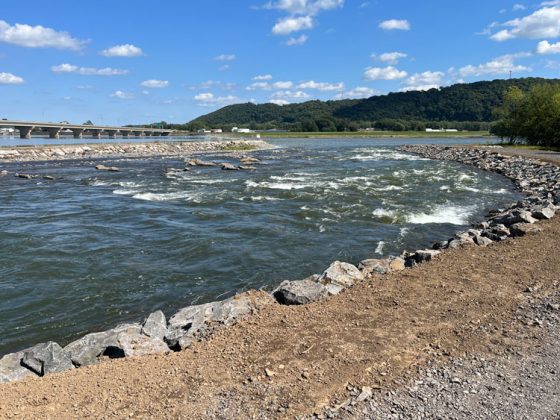
Fish Passage Design at the Adam T. Bower Memorial Dam
Featured News & INSIGHTS
Searching for Water: Engineering Solutions for the Colorado River’s Survival

How Updated Data and Regional Detention Are Reducing Flood Risk in Texas

Rethinking Flood Risk: Identifying and Reducing Impacts Without Dams

From Data to Decisions: Connecting BIM, GIS, and Infrastructure Intelligence

Dina Hunt Named to Society of Women Engineers’ 2026 Women Engineers You Should Know

GFT Expands Alternative and Collaborative Project Delivery Leadership with Steven Grech

Yovani Zelaya, PE

Abe Khademi, PEng

